

When people think about landscaping, they often focus on the visible results: healthy planting, beautifully constructed outdoor spaces, thriving green areas, and well-maintained environments.
What is often overlooked is the foundation that makes these outcomes possible: a well-trained workforce that understands the importance of health, safety, and environmental responsibility.
At Desert Landscape, delivering exceptional landscapes goes hand in hand with maintaining high standards of Health, Safety, and Environment (HSE) awareness across every project. From landscape construction and irrigation works to ongoing maintenance operations, safety remains an essential part of daily decision-making.
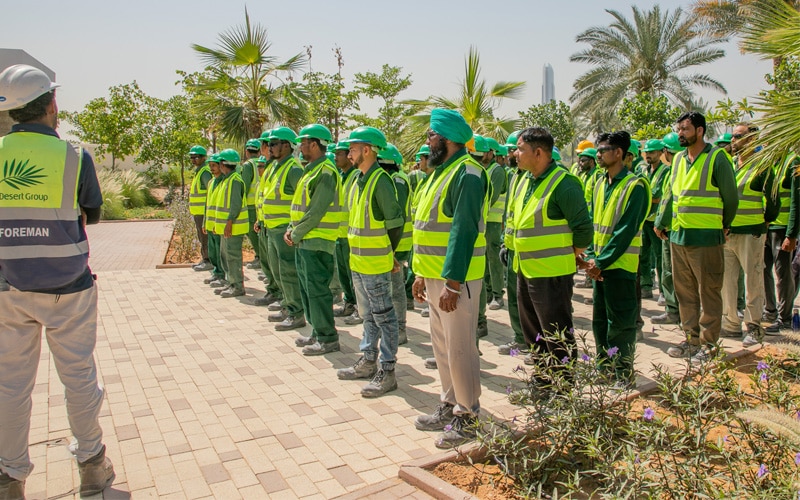
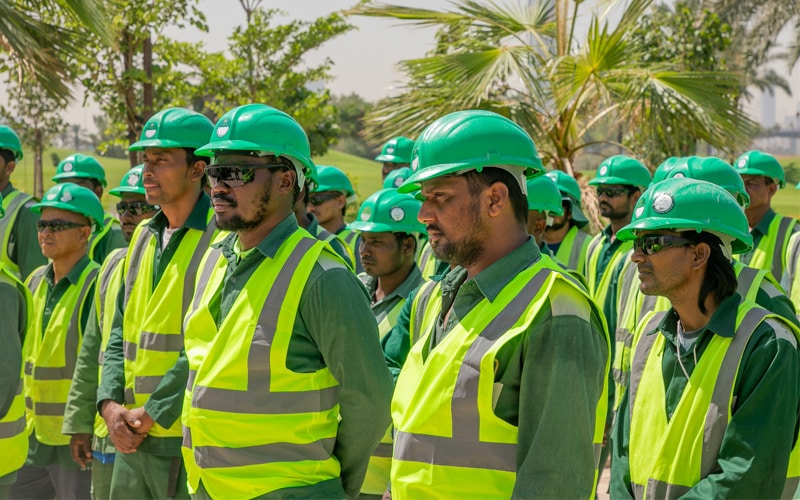
Recently, our teams participated in a dedicated HSE training and awareness session designed to reinforce key safety principles, refresh critical site knowledge, and strengthen our collective commitment to safe working practices.
Why HSE Training Cannot Be a One-Time Activity
Landscaping projects are dynamic environments.
Site conditions evolve. Teams move between locations. Equipment, materials, and project requirements change throughout the lifecycle of a project.
For this reason, HSE training cannot be limited to initial inductions alone.
Regular training sessions help ensure that employees remain aware of:
- Site-specific safety requirements
- Proper use of personal protective equipment (PPE)
- Safe equipment handling procedures
- Environmental responsibilities
- Emergency response protocols
- Hazard identification and reporting
- Heat stress awareness and prevention
- Good housekeeping practices
Even experienced professionals benefit from regular refresher training. Continuous reinforcement helps transform safety procedures into everyday habits.
Creating a Safety-First Culture
Strong safety performance is built through culture, not paperwork.
Policies and procedures are important, but they become truly effective when every member of the team understands their role in maintaining a safe work environment.
During the recent HSE session, employees gathered to review safety requirements, participate in awareness discussions, and reinforce the importance of personal responsibility on site.
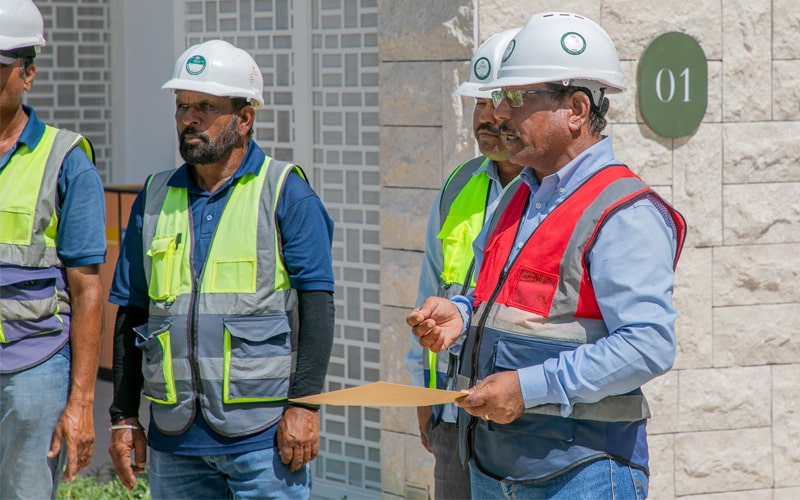
These sessions create valuable opportunities for open communication between supervisors, managers, and operational teams. They encourage employees to share observations, raise concerns, and contribute to continuous improvement across projects. When safety becomes part of daily conversations, potential issues are often identified and addressed before they escalate into incidents.
The Direct Link Between Safety and Project Quality
Safety and quality are often viewed as separate objectives.
In reality, they are closely connected.
A workforce that follows structured safety procedures is typically more organised, more focused, and better prepared to execute work efficiently.
Regular HSE training contributes to:
- Improved project coordination
- Better communication between teams
- Reduced operational disruptions
- Greater workforce confidence
- Consistent quality standards
- Increased client confidence
Successful projects are rarely the result of technical expertise alone. They are delivered by teams that work responsibly, communicate effectively, and understand the importance of following established procedures.
Leadership Commitment Matters
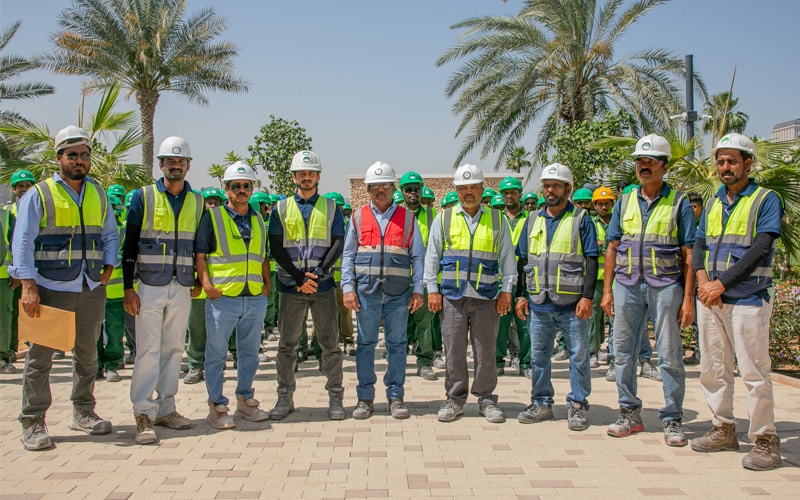
One of the strongest indicators of a successful HSE program is visible leadership involvement.
When supervisors, managers, engineers, and project leaders actively participate in training sessions, they reinforce the message that safety is a shared responsibility.
Leadership engagement helps create an environment where employees feel empowered to speak up, ask questions, and contribute to safer operations.
This collaborative approach strengthens accountability across all levels of a project and supports long-term improvement in safety performance.
Environmental Responsibility Is Part of HSE
For landscaping professionals, environmental responsibility is an important component of HSE performance.
Protecting existing vegetation, reducing waste, managing resources responsibly, and maintaining clean work sites all contribute to safer and more sustainable project outcomes.
By integrating environmental awareness into regular training programs, teams are better equipped to support both project objectives and broader sustainability goals.
Investing in People
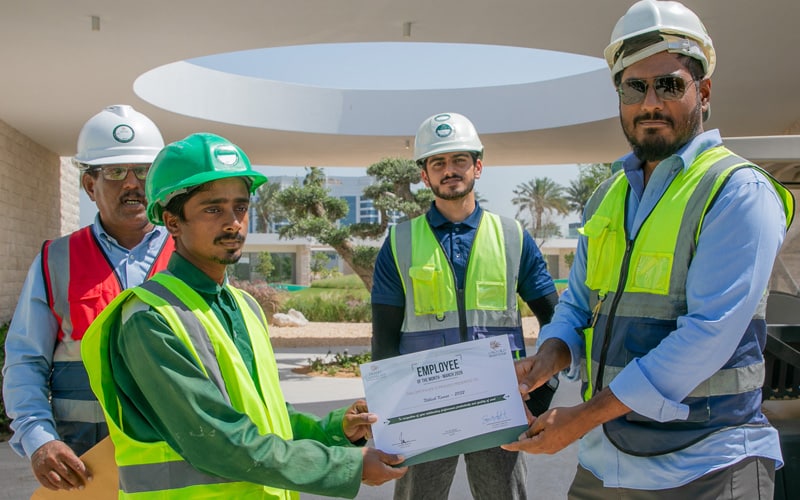
Every HSE training session is ultimately an investment in people.
It is an opportunity to strengthen knowledge, reinforce best practices, and support the wellbeing of the individuals who contribute to project success every day.
The landscaping industry relies on skilled professionals working in varied outdoor environments, often under challenging conditions. Providing regular training ensures that these teams remain prepared, informed, and confident in carrying out their responsibilities safely.
A Continuous Commitment
At Desert Landscape, HSE is not viewed as a compliance requirement. It is an ongoing commitment that supports every stage of project delivery.
Through regular training, leadership engagement, site awareness initiatives, and continuous improvement programs, we strive to maintain safe working environments while delivering the quality, reliability, and professionalism our clients expect.
Because successful landscapes begin long before the planting starts. They begin with informed teams, responsible practices, and a shared commitment to safety.